
If you’ve heard “business intelligence” and assumed it’s something for large corporations with IT departments and six-figure software budgets, I don’t blame you. The BI industry has done a remarkable job of making a straightforward concept sound intimidating.
Let me simplify it.
BI in Plain Language
Business intelligence is using your business data to make better decisions. That’s it.
When you check your bank balance before making a purchase, that’s BI. When you look at last month’s sales to plan this month’s stock, that’s BI. The modern tools just make it faster, more visual, and more powerful.
What It Looks Like for a Small Business
Three things:
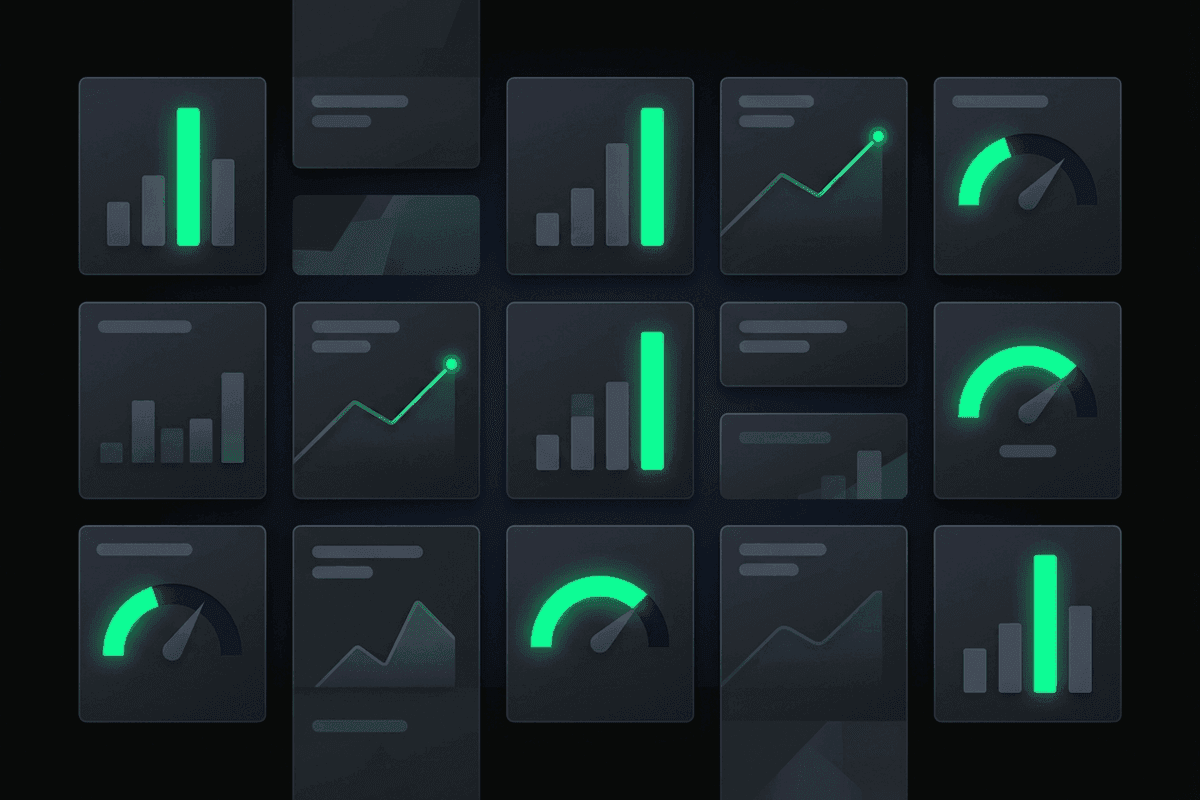
Dashboards — visual summaries of your key numbers, updated in real time. Instead of digging through spreadsheets, you see revenue, customer trends, and operational metrics at a glance. Think of it as the instrument panel for your business.
Reports — deeper dives into specific questions. Why did sales drop in March? Which products have the best margins after all costs? Which customer segment is growing? Reports answer the questions your dashboard raises.
Alerts — automated nudges when something changes. Traffic drops, inventory hits a reorder point, a customer’s spending pattern shifts. You catch problems and opportunities early instead of discovering them in the monthly review.
Why Small Businesses Need This More, Not Less
Big companies have departments full of analysts. They can afford slow decisions because they have deep reserves. You don’t.
When every euro of marketing spend counts, knowing which channel delivers the best return isn’t nice to have — it’s the difference between growing and treading water. When your team is small, you can’t waste hours compiling reports manually. When competition is tight, the business that spots the opportunity first wins.
BI tools give a small business in Malta the same quality of insight that a multinational has. At a fraction of the cost.
The 30-Day Plan
Week 1: Pick your question. The one thing you wish you knew about your business right now. Which marketing channel drives your best customers? Which service is most profitable after all costs? Start there.
Week 2: Find your data. Accounting software, CRM, Google Analytics, social media, POS. List every source and check the quality.
Week 3: Connect and visualise. Build your first dashboard. Tools range from free (Google Looker Studio) to professional-grade (Power BI, Tableau). If you’re not technical, a good consultant can set this up in days.
Week 4: Make a decision. The dashboard isn’t the goal. The decision is. Use your new visibility to make one concrete call you couldn’t have made confidently before. That’s the intelligence advantage working.
The Myths
“It’s too expensive.” Many BI tools are €0–€50/month. The real cost is setup time, and it pays for itself in weeks.
“We don’t have enough data.” If you have customers and transactions, you have data. Even 50 customers produce meaningful patterns.
“We’re not technical enough.” If your team can use a spreadsheet, they can use a dashboard. Modern BI tools are built for business users, not engineers.
The Point
BI isn’t about technology. It’s about visibility. It’s the difference between driving with your eyes open and driving from memory. Every business deserves to see where it’s going.